Comparing Concrete vs. Asphalt: What's Best for Barossa Residents?


When it comes to paving options for driveways and other surfaces, Barossa residents often face a choice between concrete and asphalt. Both materials offer distinct benefits and drawbacks, making it essential to understand which is best suited for your specific needs.

Durability and Longevity
Concrete is renowned for its longevity. When properly maintained, a concrete driveway can last up to 30 years or more. Its resistance to weathering and ability to withstand heavy loads make it an excellent choice for long-term use. However, it can be prone to cracking, especially in areas with significant temperature fluctuations.
Asphalt, on the other hand, typically lasts around 15-20 years. Its flexible nature helps it withstand temperature changes without cracking as easily as concrete. However, it may require more frequent maintenance to maintain its appearance and functionality.

Cost Considerations
When it comes to initial costs, asphalt is generally more affordable than concrete. This makes it an attractive option for homeowners looking to minimize upfront expenses. However, the need for periodic resealing can add to long-term costs.
Concrete is more expensive initially, but its low maintenance requirements can make it a cost-effective choice over time, especially if you plan to stay in your home for many years.
Maintenance and Repairs
Maintaining an asphalt surface involves regular sealing every few years, which helps protect it from the elements and prolongs its lifespan. Repairs are relatively easy and inexpensive, making it a practical choice for those willing to invest in routine upkeep.

Concrete driveways require less frequent maintenance. However, if cracks do occur, repairs can be more challenging and costly. Regular cleaning and sealing can help prevent surface damage and extend the life of a concrete driveway.
Aesthetic Appeal
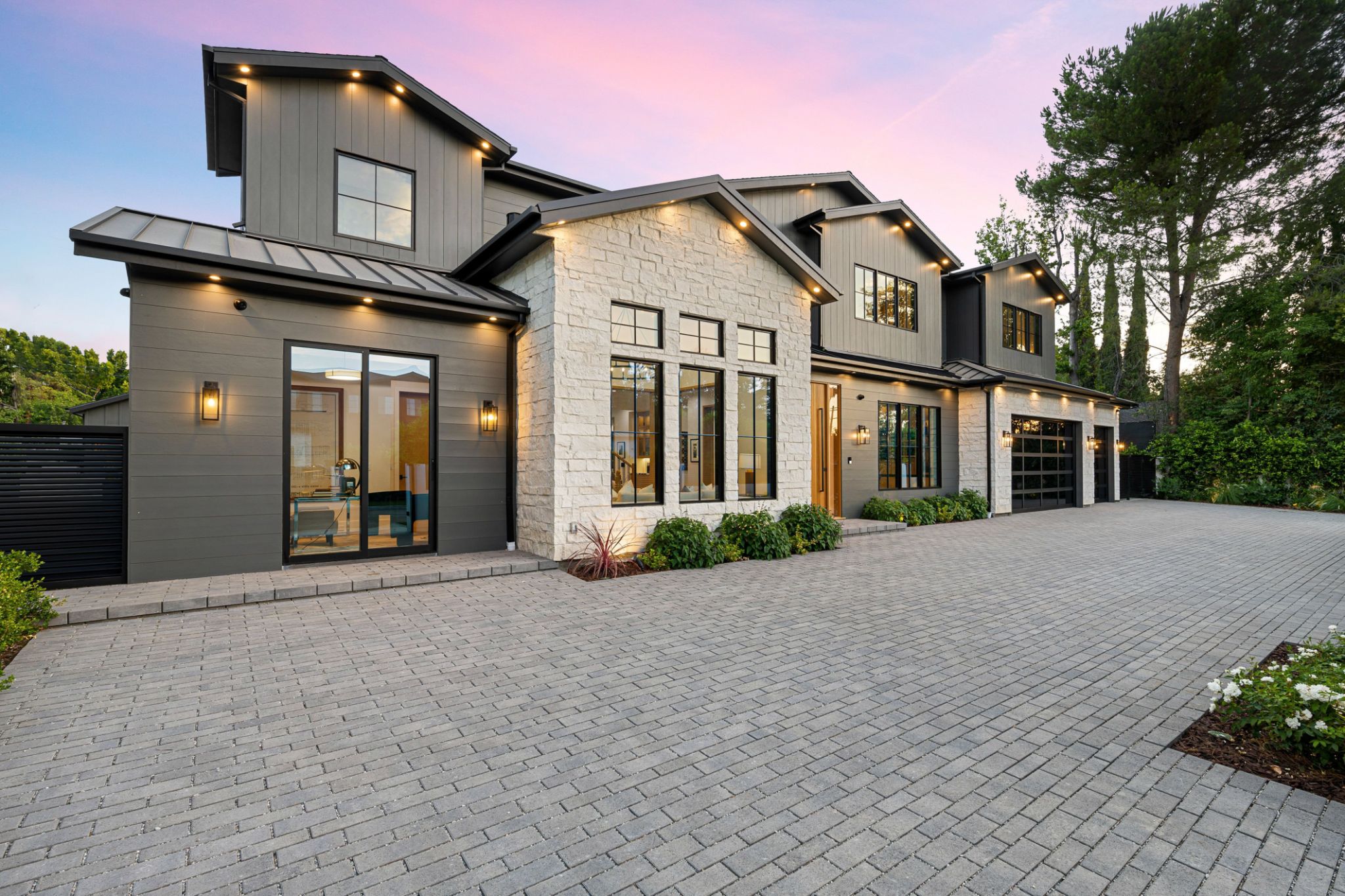
Concrete offers a variety of design options, including different colors and finishes, which can enhance the curb appeal of your property. Stamped or stained concrete can mimic the appearance of more expensive materials like stone or brick.
Asphalt provides a classic, sleek look with its smooth, black finish. While aesthetic options are more limited compared to concrete, its uniform appearance is often favored for its simplicity.
Environmental Impact
Both materials have environmental considerations. Asphalt is recyclable and often made with recycled materials, which can reduce its environmental footprint. However, its production involves petroleum, a non-renewable resource.
Concrete production has a high carbon footprint due to the cement manufacturing process. However, it can be made more sustainable by incorporating fly ash or slag, both industrial by-products.
Conclusion: Making the Right Choice
Ultimately, the choice between concrete and asphalt depends on your specific needs, budget, and preferences. If longevity and low maintenance are your priorities, concrete might be the best option. Conversely, if you seek a cost-effective solution with a classic look, asphalt could be the way to go.
Consider all aspects, including climate, aesthetic desires, and environmental impact, to make an informed decision that best suits your Barossa property.